Inside the Conversation Shaping Inclusive Destinations of the Future
The commercial case for inclusive travel is becoming harder to ignore. It is no longer an emerging topic or something separate from commercial strategy. It is becoming part of how destinations compete, how travellers choose where to visit, and how businesses create experiences that work for more people.
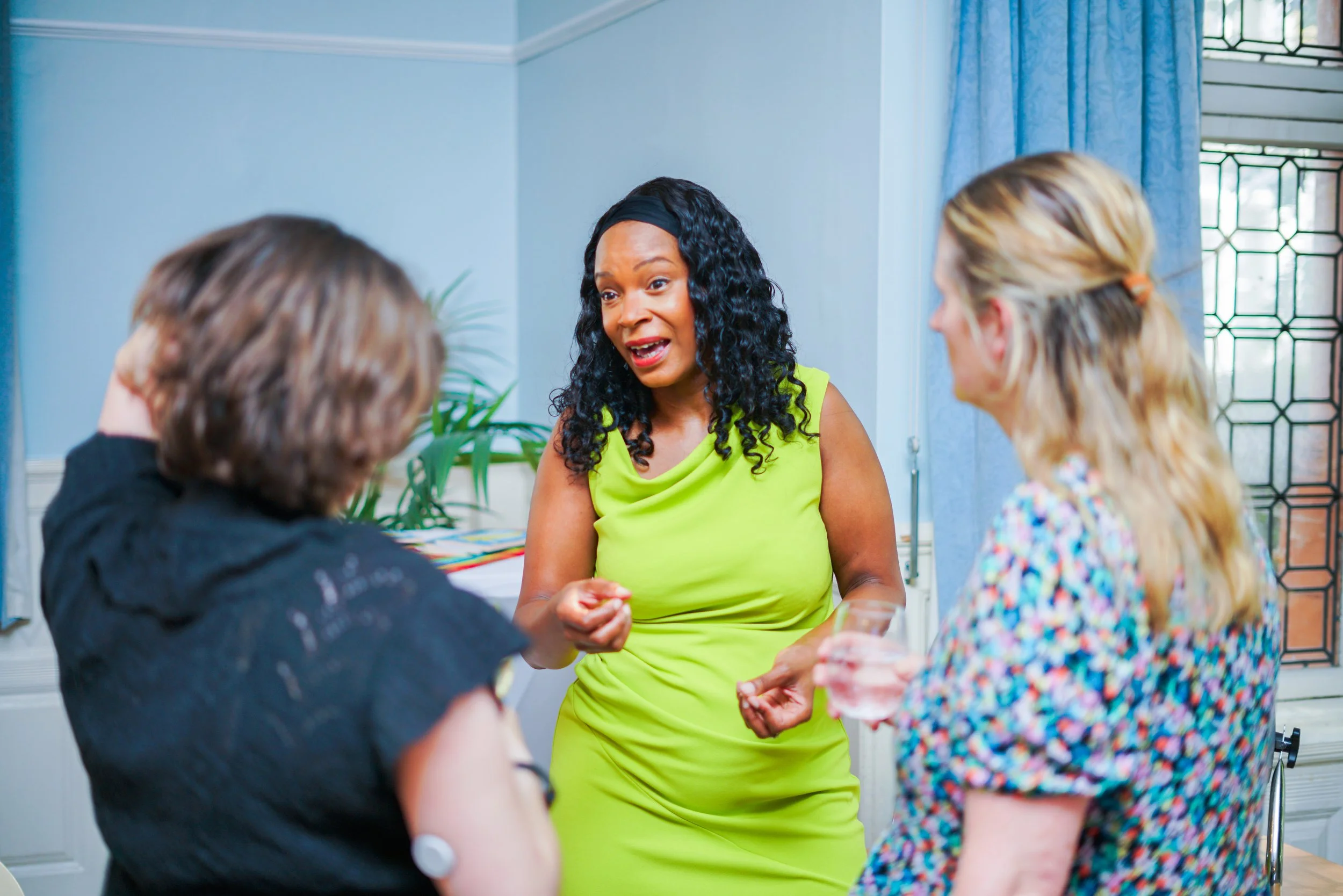
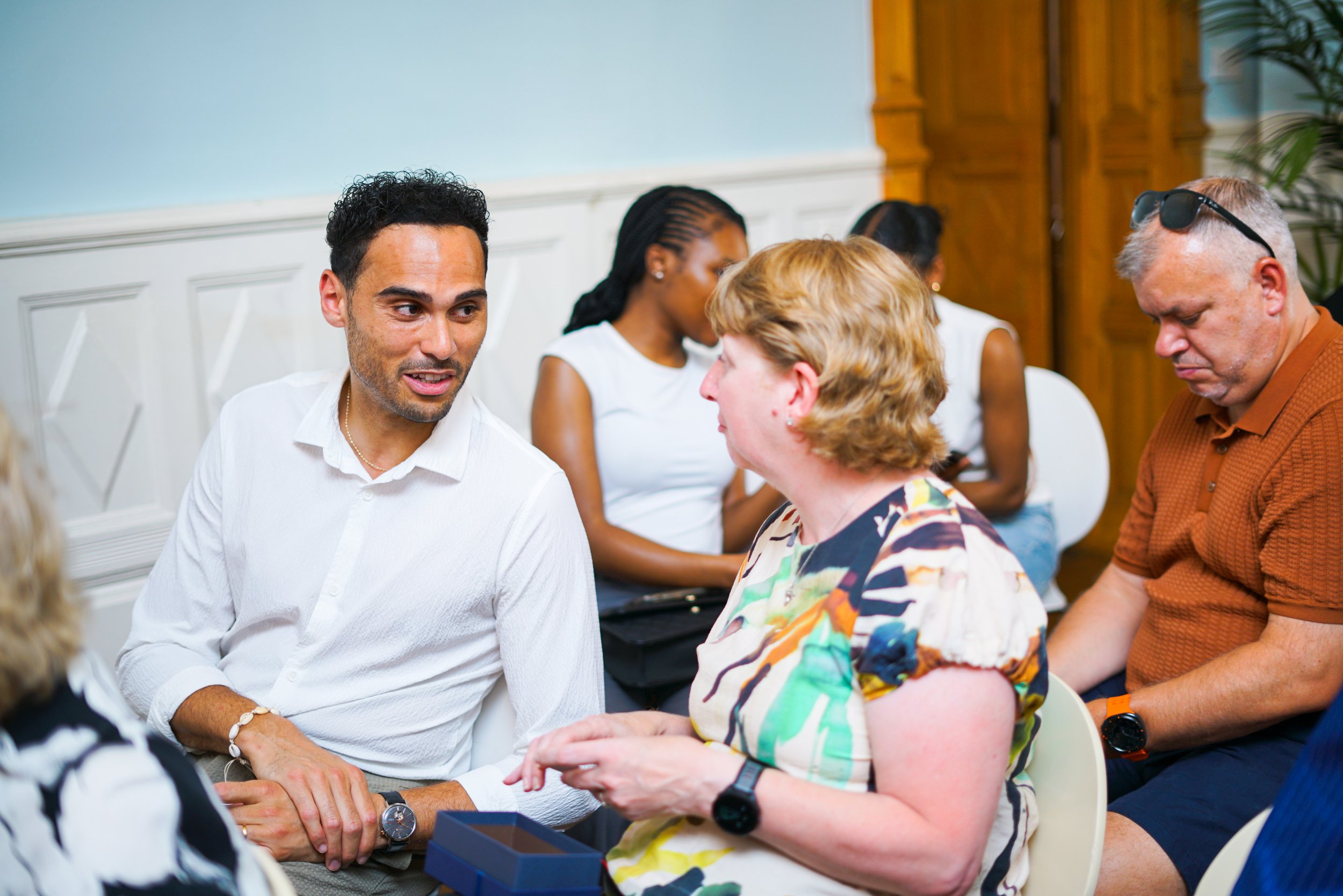
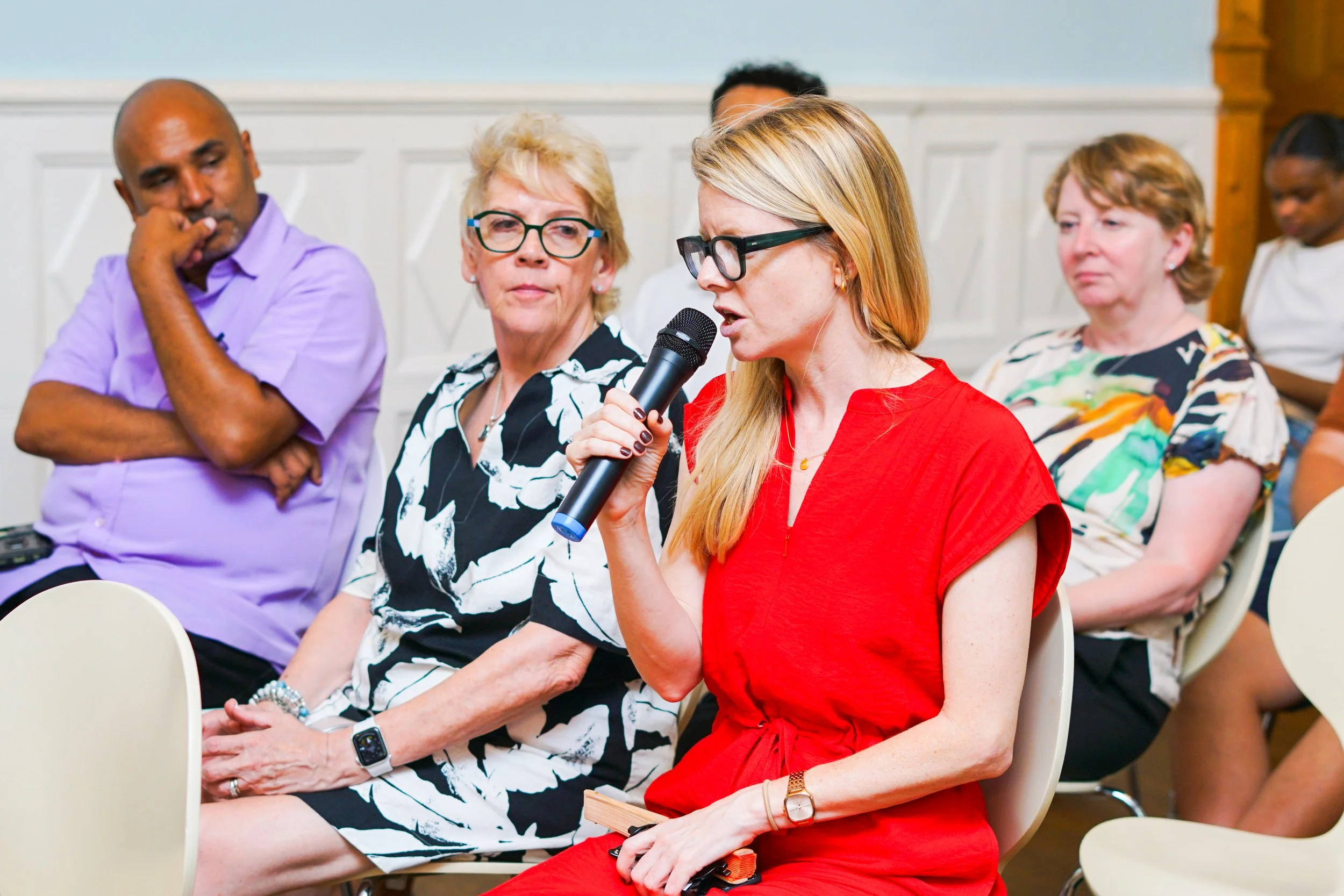
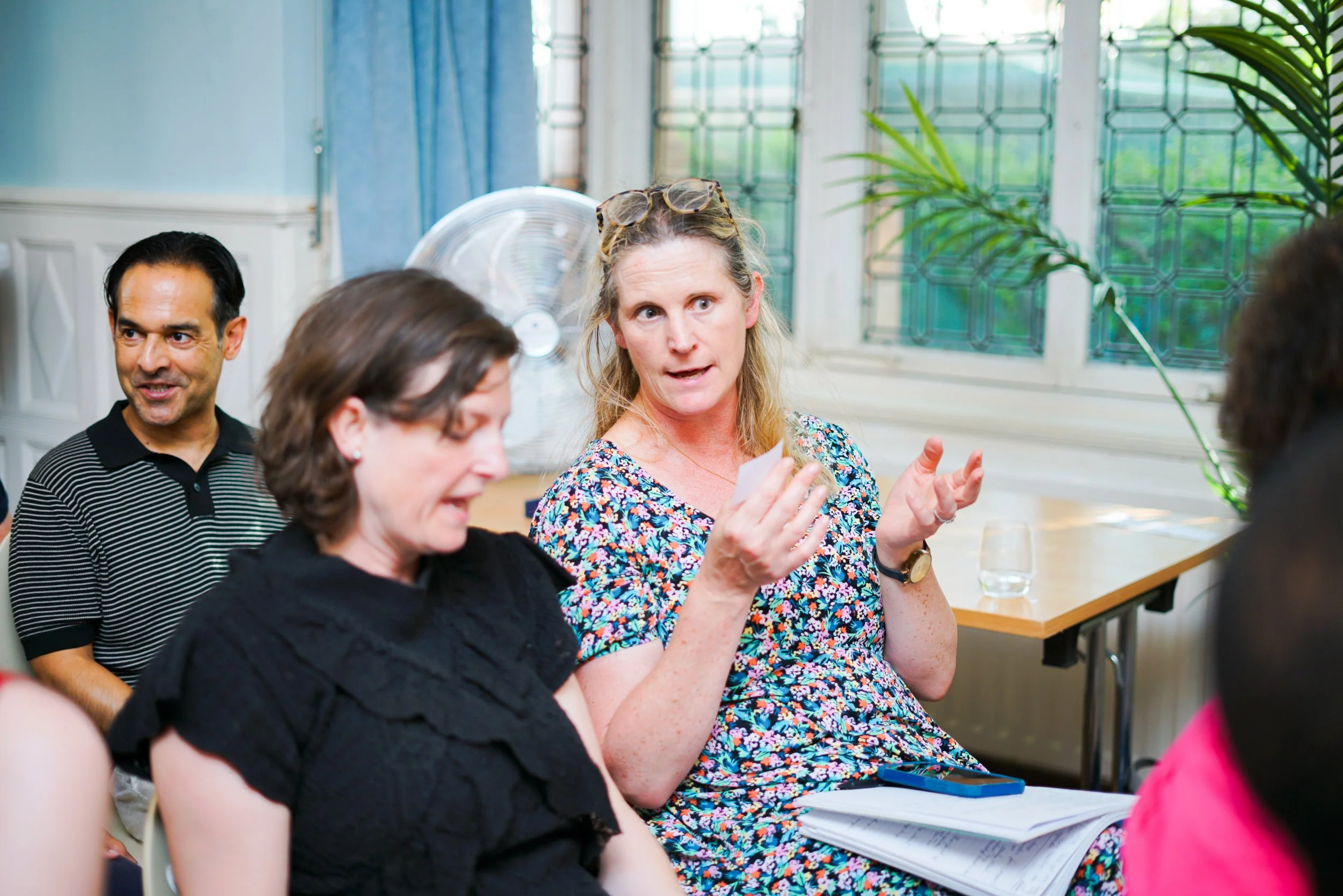
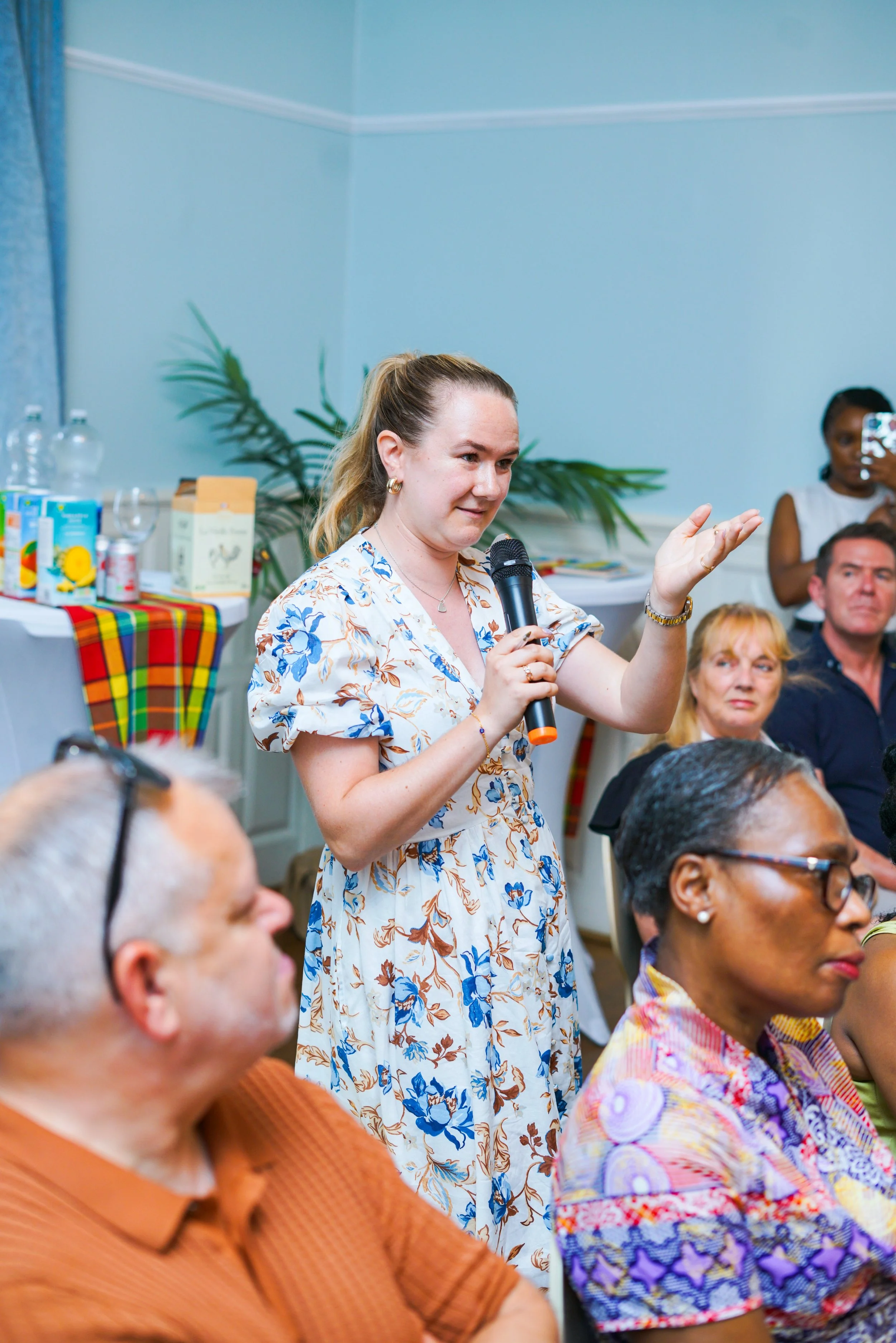
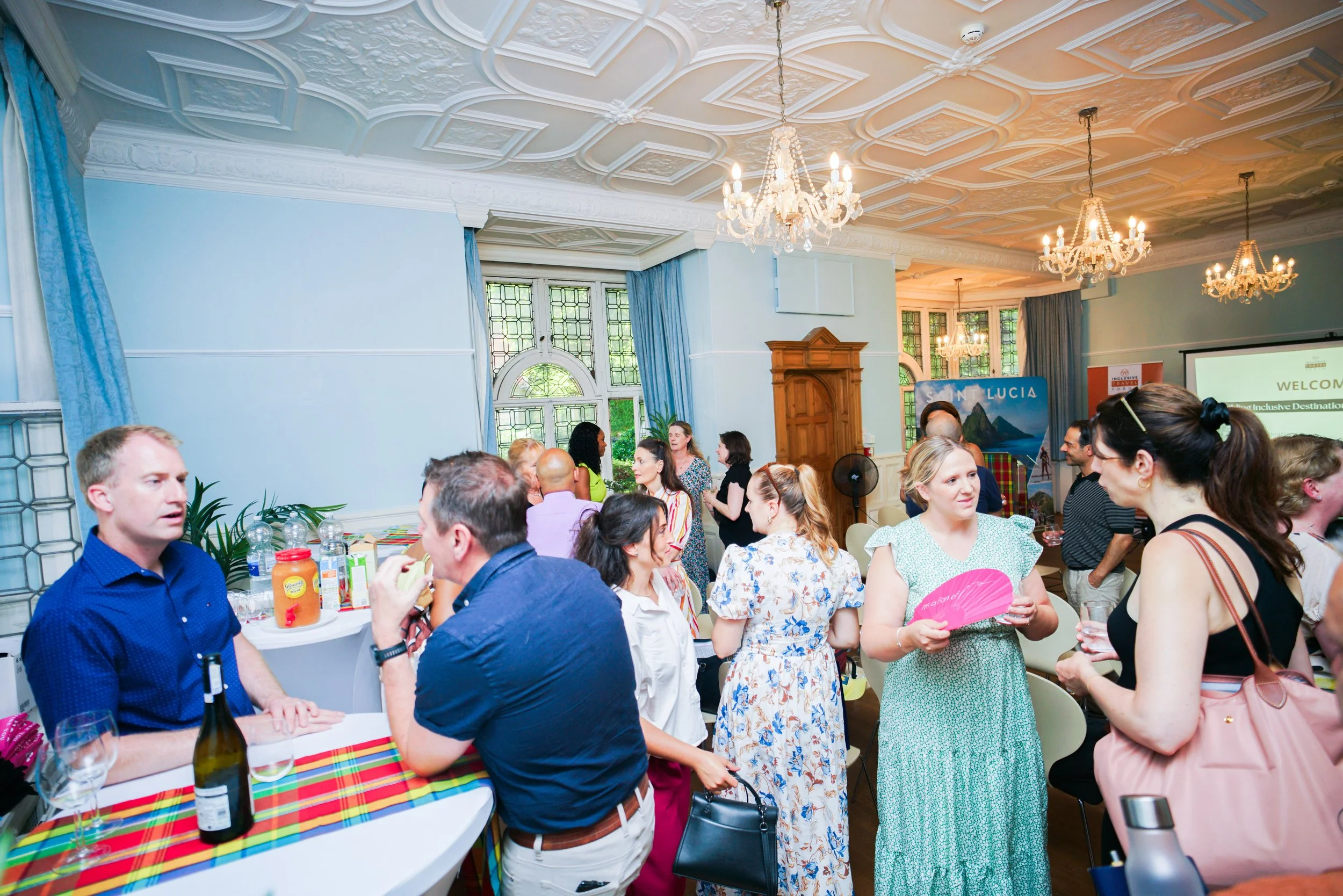
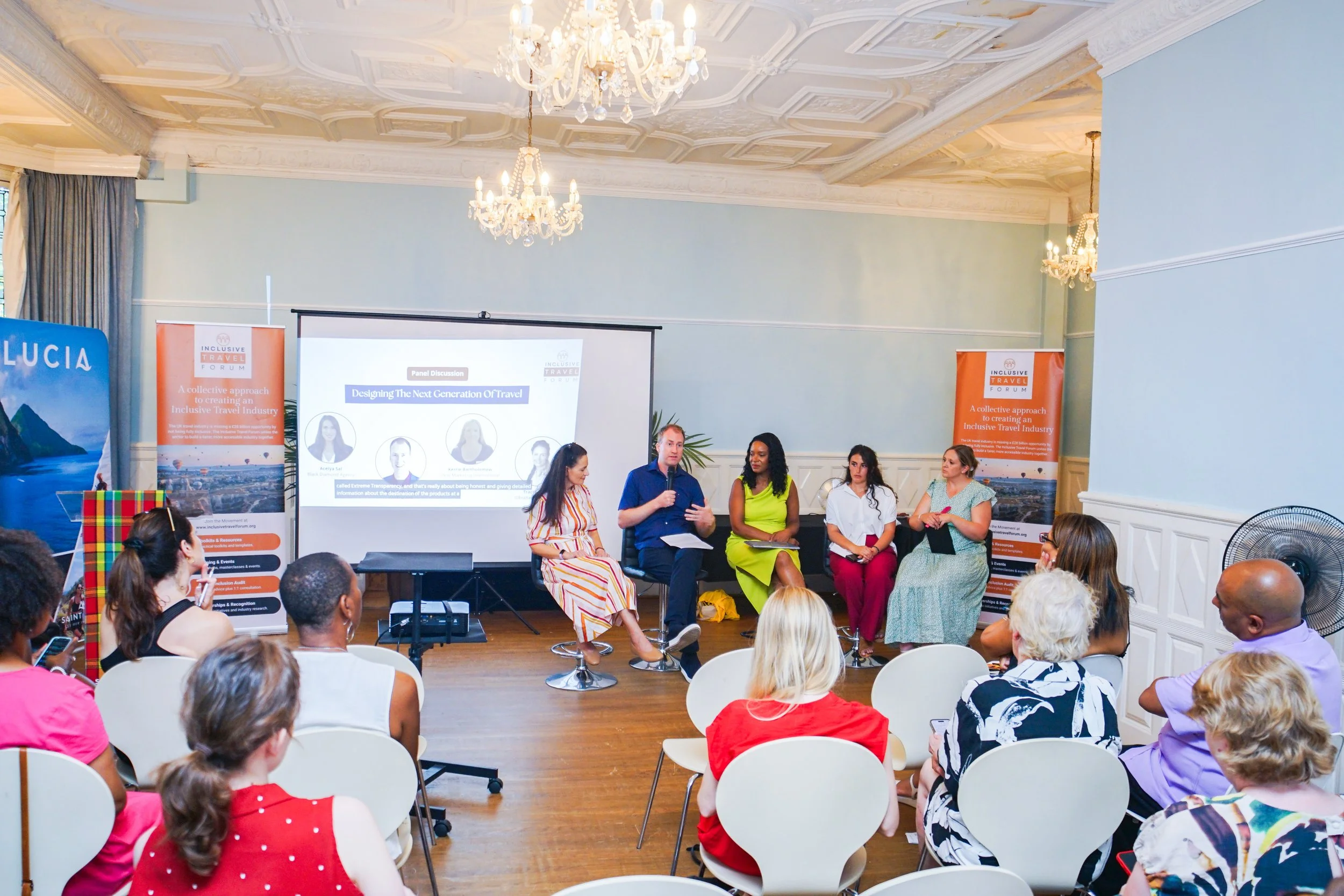
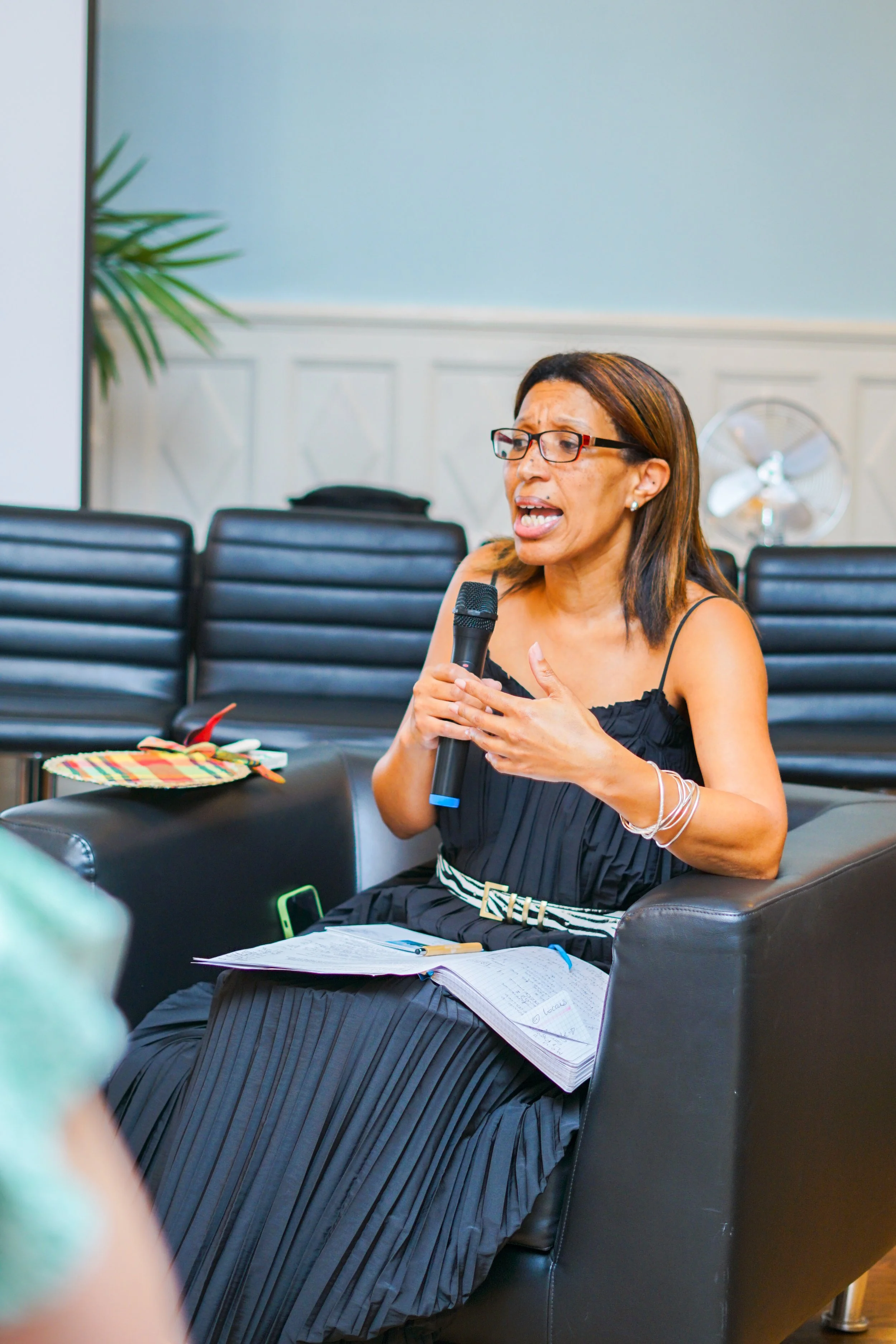
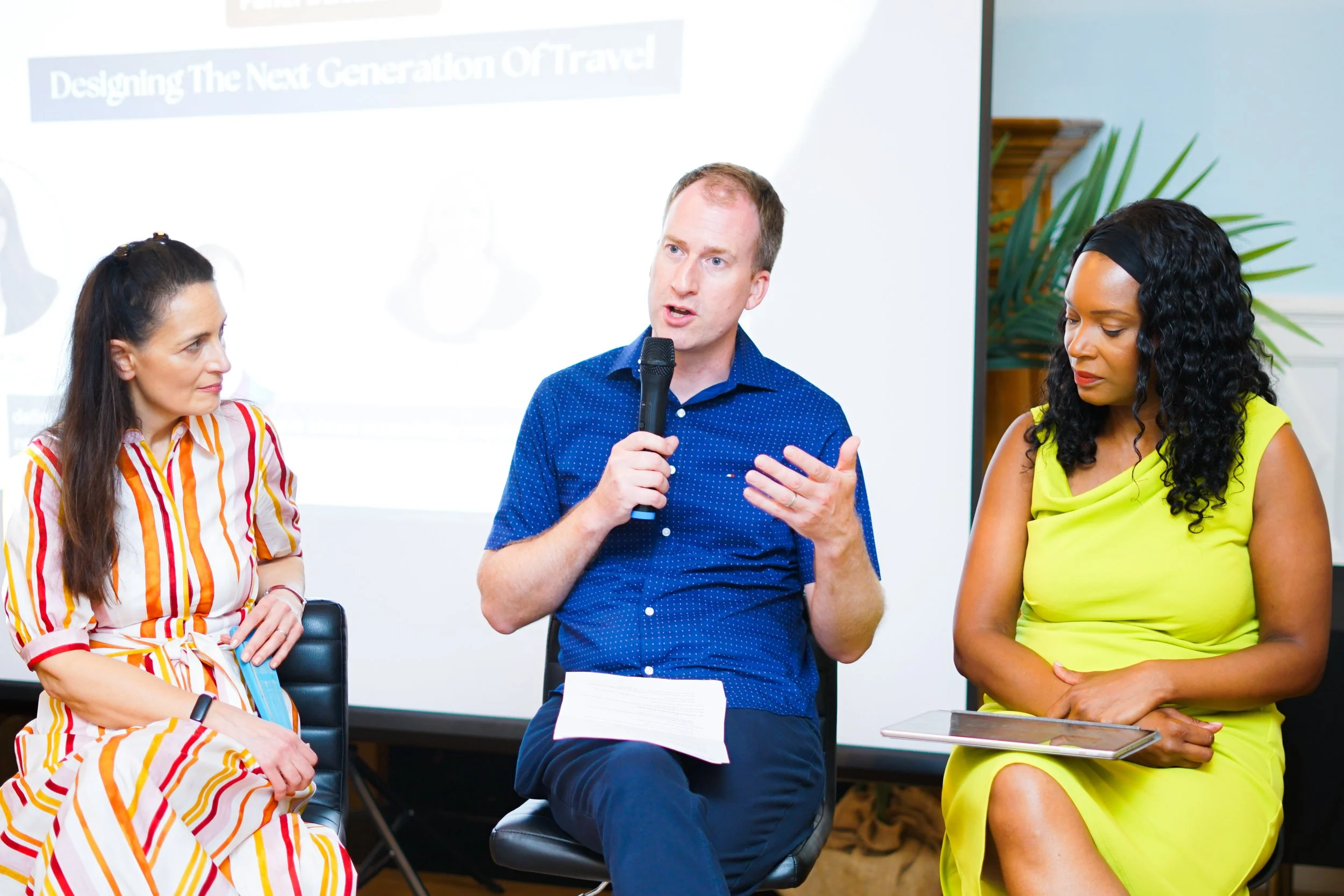
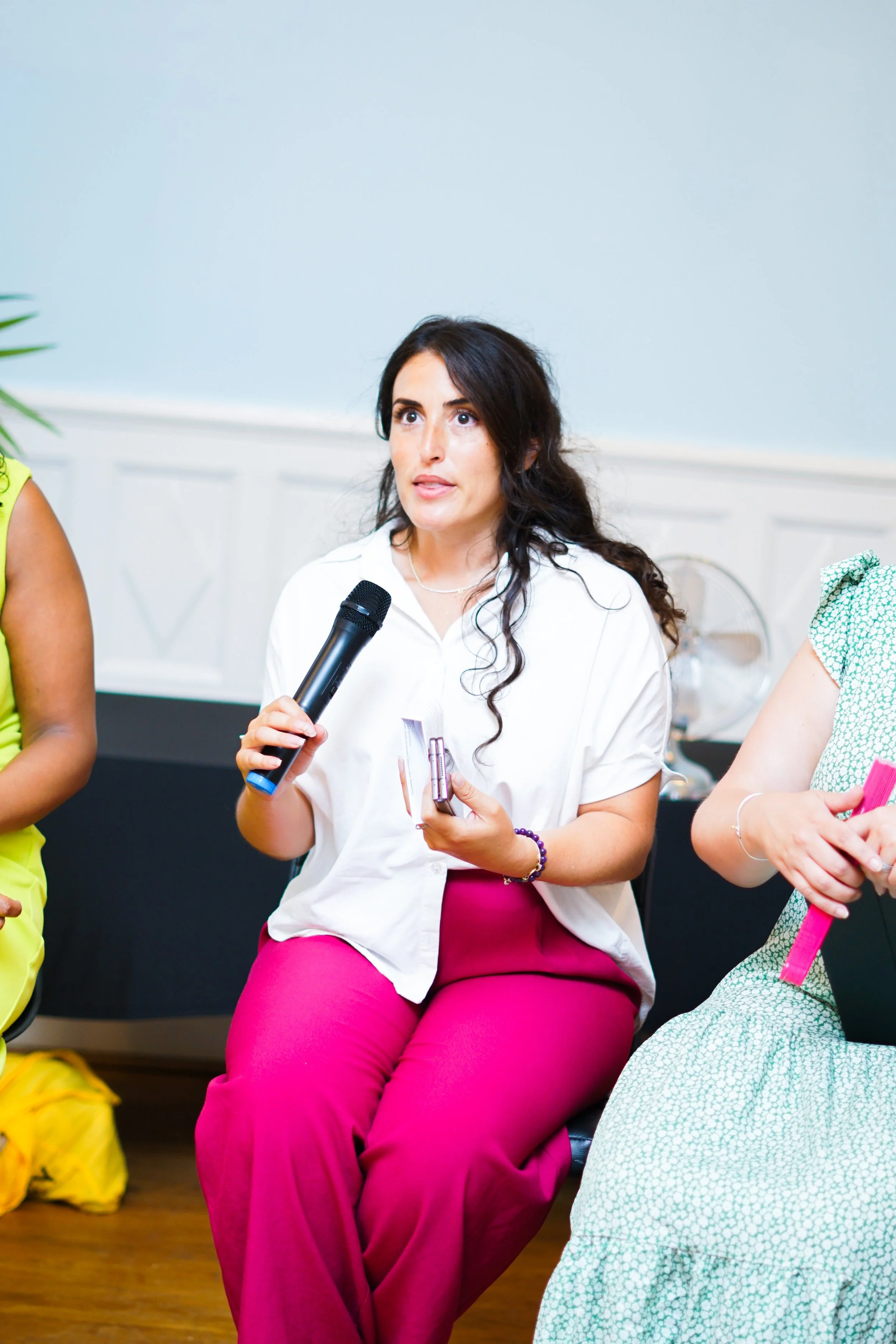
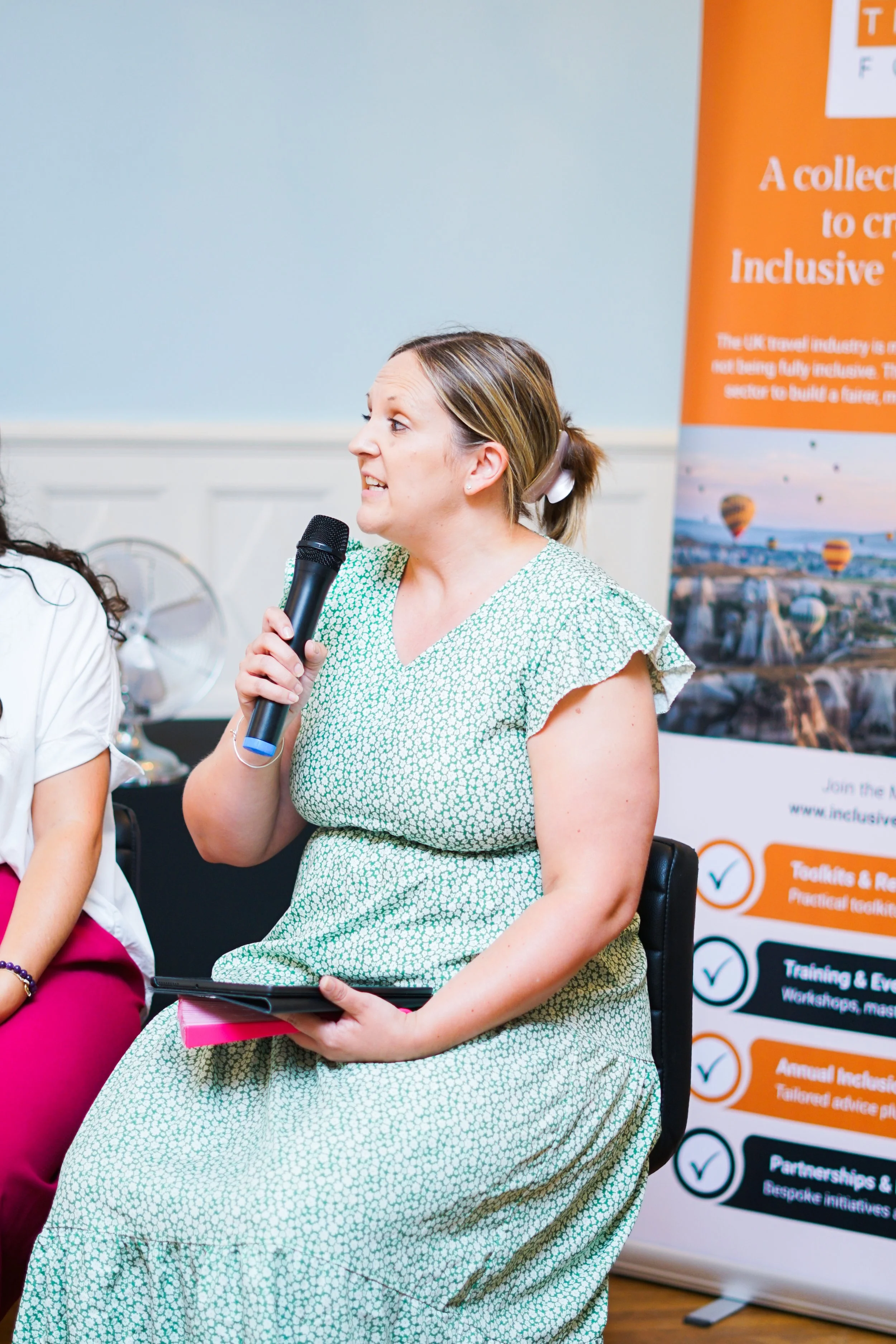
That was the focus of Inclusive Destinations of the Future, our June 2026 event in London, which brought together destination marketing organisations, tourism boards, hotel operators, accessibility specialists, community tourism leaders and travel businesses from across the sector.
So what happens when you bring such an ambitious group of people together to talk about inclusion in travel?
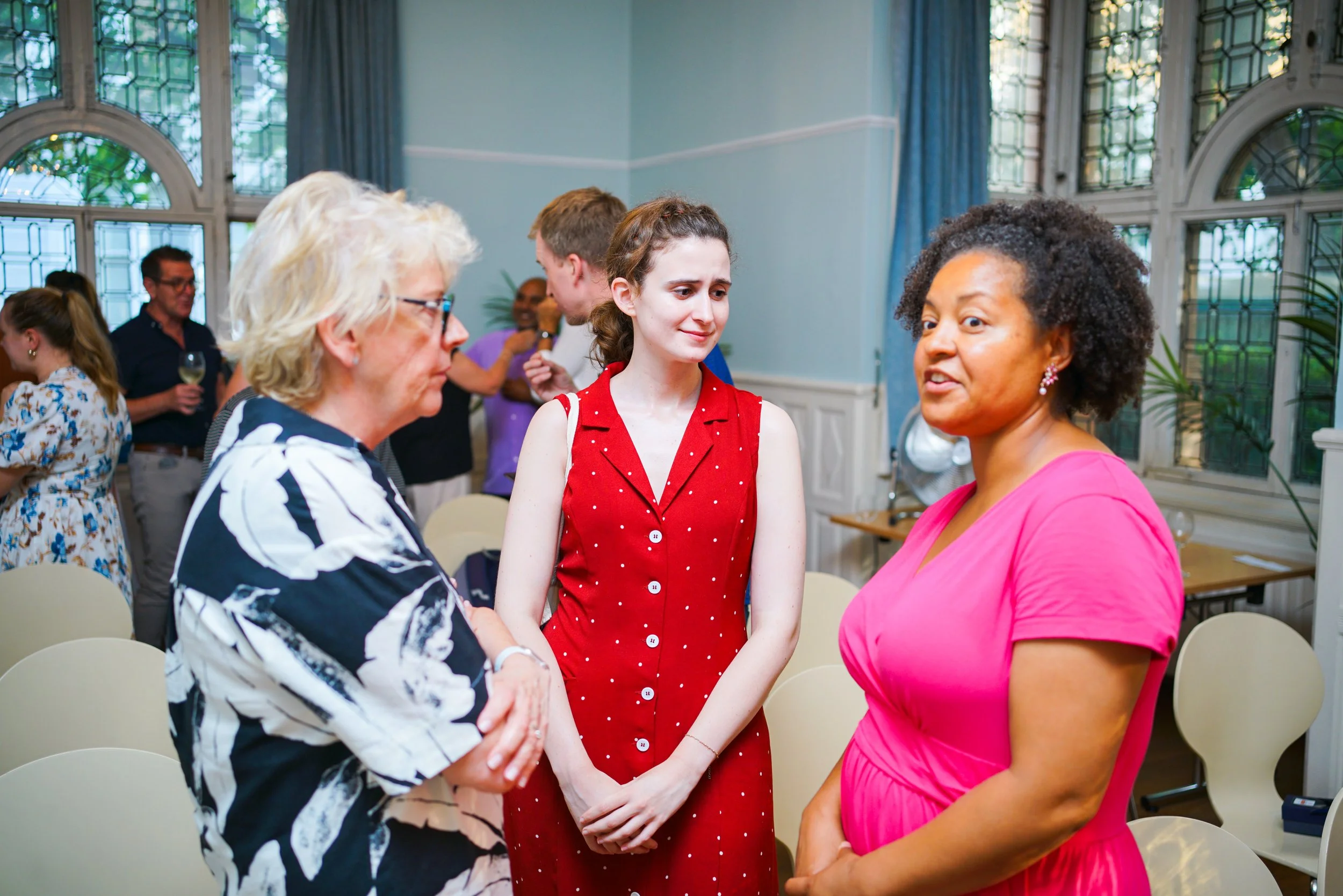
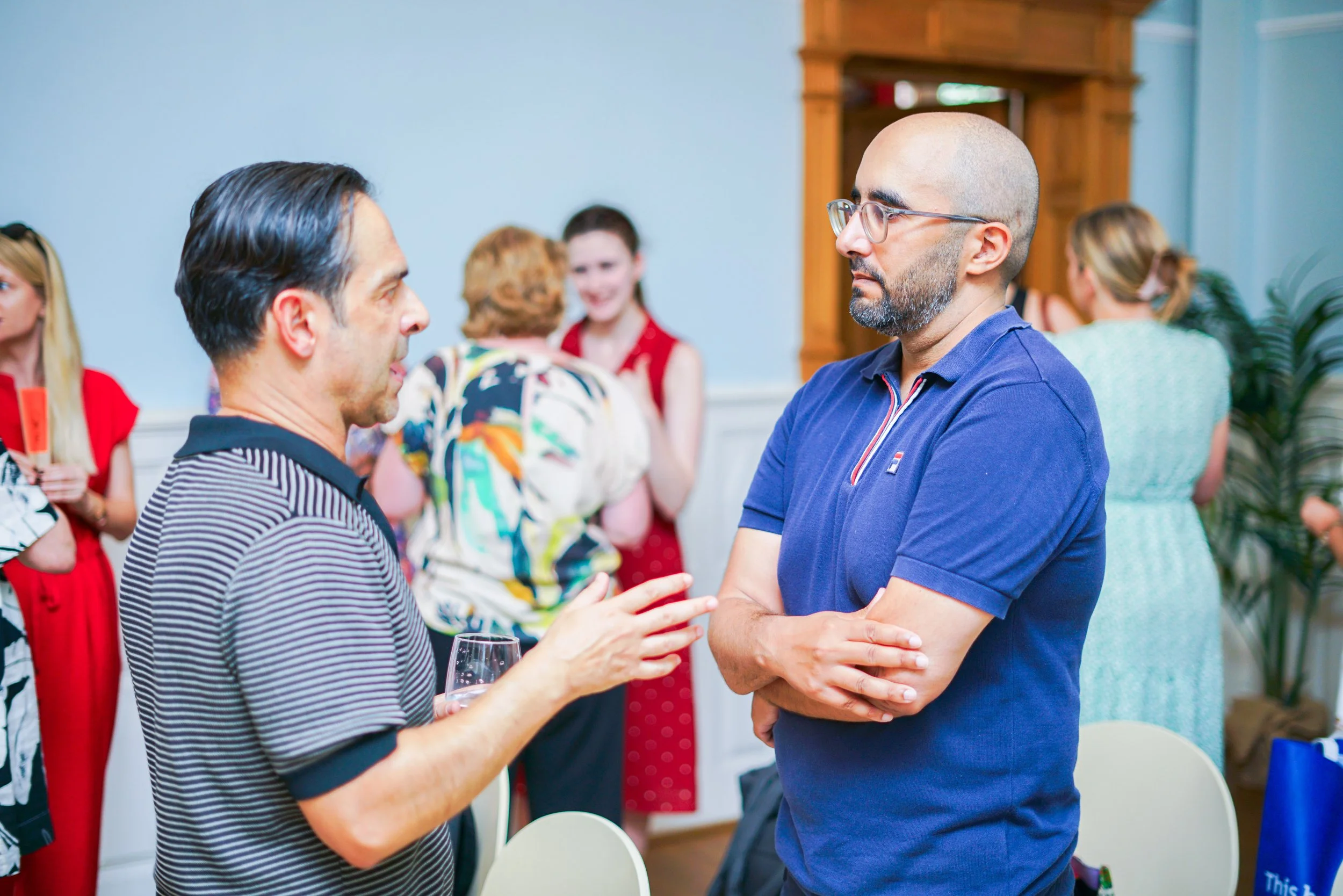
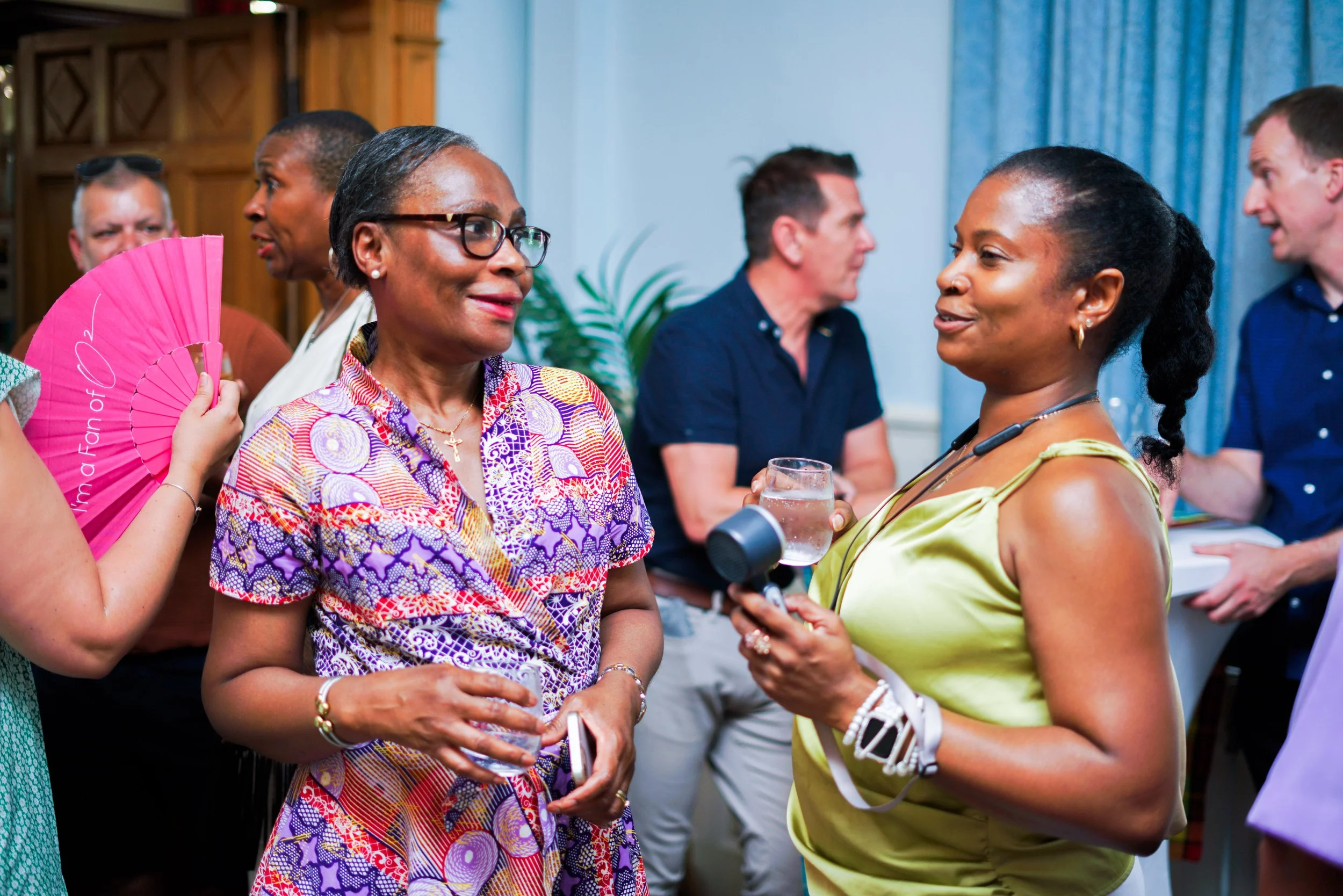
An evening full of human connection, honesty, and most importantly, impact. Our attendees showed up with a real willingness to go beyond the usual conversations and sit with the questions that actually matter for our industry right now. There was something really powerful about the balance between the practical insight, challenging questions, real industry experience, and the shared sense that inclusion isn’t a “future goal”, but something we need to actively build into how destinations work now.
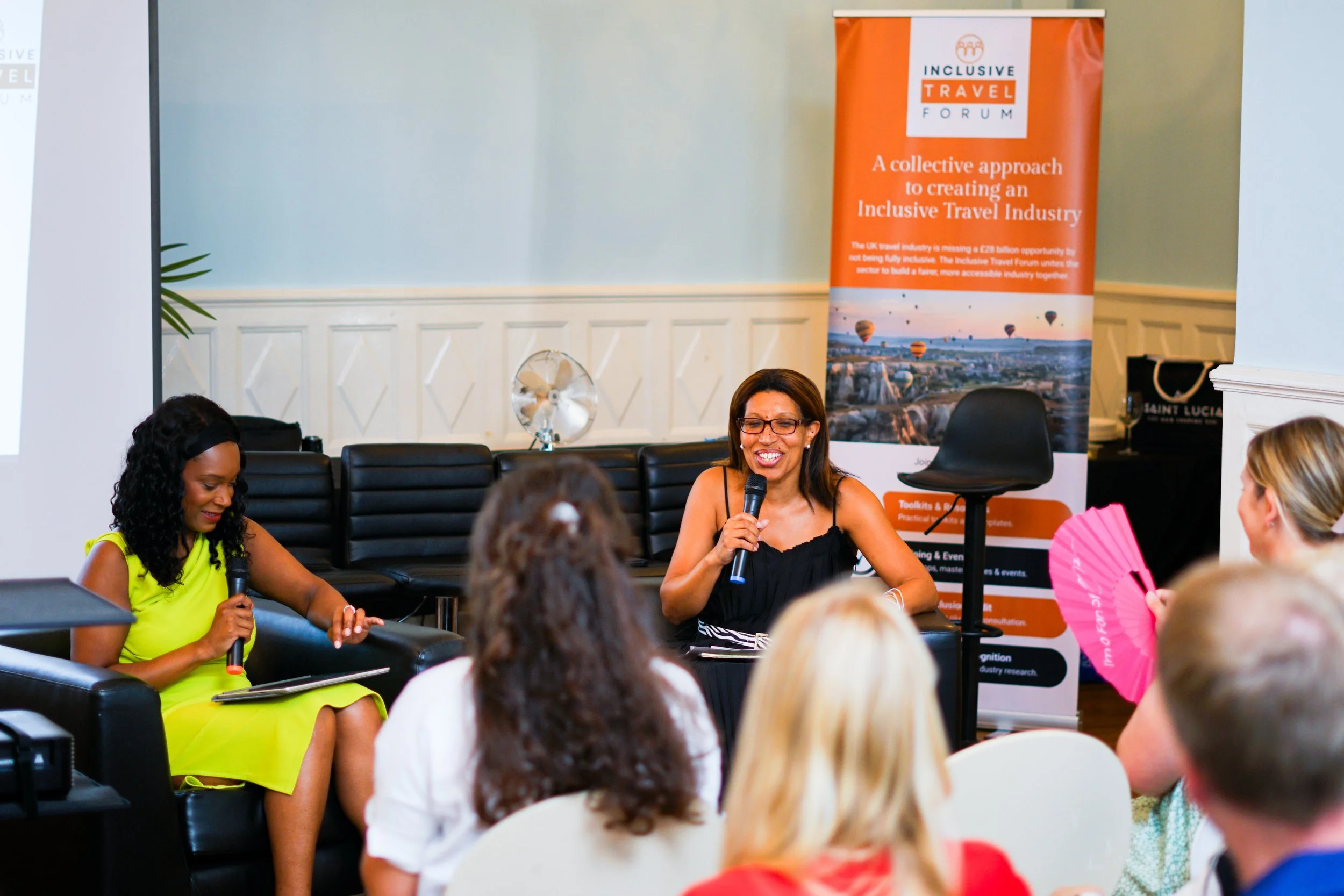
We’re incredibly grateful to our speakers* for being so generous with their insights, and our attendees for getting involved in the discussions and staying long after the formal discussion ended. We left feeling inspired and hopeful about the future of the industry, as we’re sure our attendees did too. If you missed the event, here are some of our highlights and takeaways from the evening.
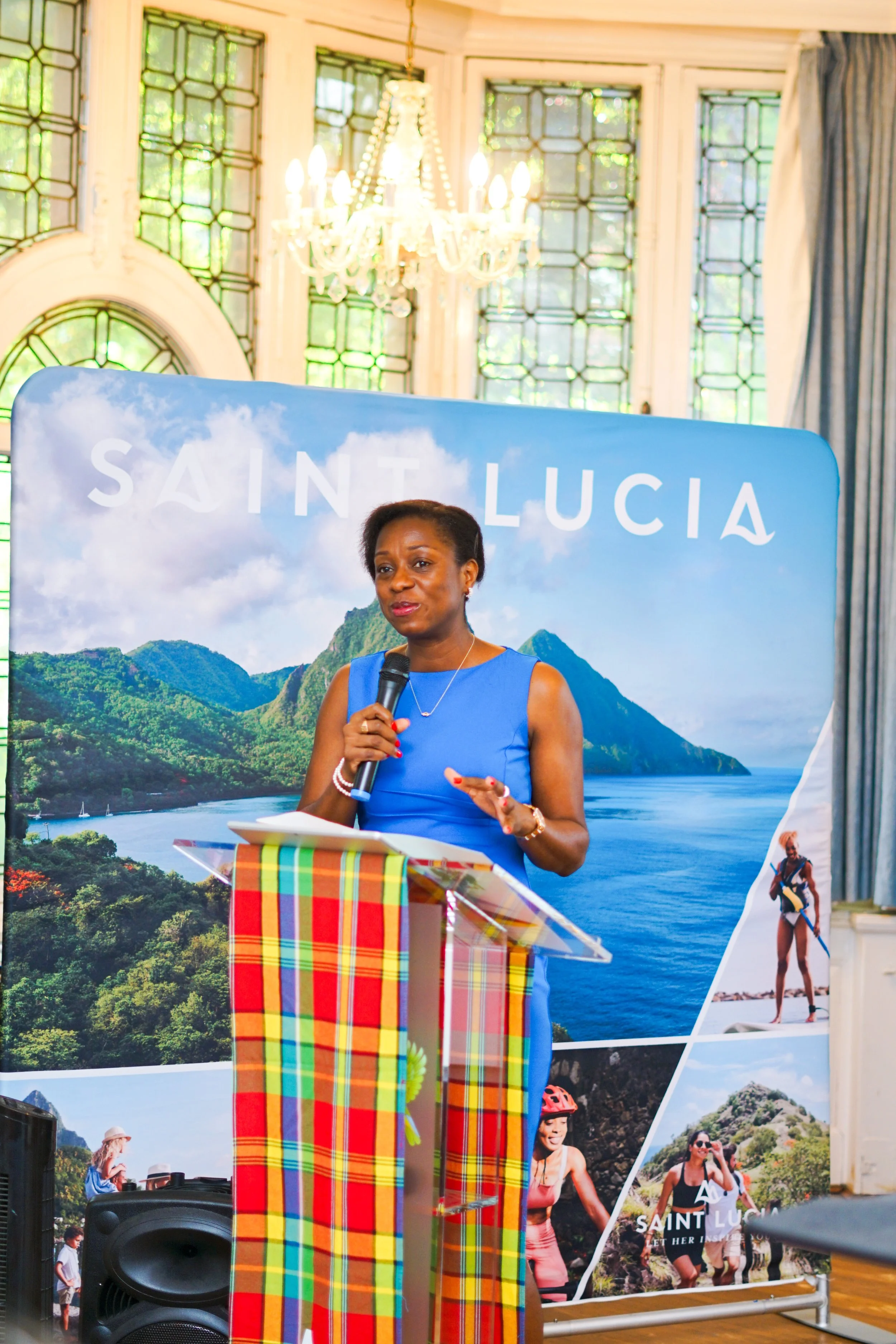
*Our speakers: Patricia Charlery-Leon (Saint Lucia Tourism Authority), Ross Calladine (VisitEngland), Kerrie Bartholomew (Clear Marketing International), Tracey Poggio (Gibraltar Tourist Board) and Acelya Sal (Black Diamond Agency).
Inclusion is already a commercial market, not a niche
One of the clearest themes of the evening was this: inclusion is a commercial opportunity that many organisations in the industry are leaving on the table. Throughout the evening, our speakers shared some stats that we think every travel business needs to hear.
Around 24% of the UK population has a disability, but fewer than 2% of inbound visitors declare one when they travel.
The UK accessible travel market is worth £14.6 billion a year
Disabled travellers often spend more per trip than the average traveller
Ethnic minority consumers hold £727 billion in cumulative disposable income
The UK LGBTQ+ travel market is currently valued at £5.4 billion
The takeaway? It isn’t that some groups of people aren't travelling; it’s that the barriers - physical, informational, psychological - are real enough to put people off, or to make the experience difficult enough that they don't come back.
What works in practice
We loved getting to hear about the businesses that are already getting this right and who can prove it. Our panel showed up with real examples that do exactly what we're always trying to do: show that inclusion isn't a leap of faith, but a sound business decision.
Case studies:
Hotel Brooklyn Manchester: Ross Calladine shared the story of Hotel Brooklyn Manchester, where President Robin Sheppard (who has lived experience of disability) made a deliberate call: accessible rooms would be designed to the same aesthetic standard as every other room in the hotel. As a result, those rooms are now the highest-occupancy rooms in the hotel, generating an estimated £214,000–£270,000 in additional revenue in year one.
Saint Lucia community tourism model: Patricia Charlery-Leon, Director UK & Europe at the Saint Lucia Tourism Authority, shared how Saint Lucia has turned community tourism into something structural rather than a one-off initiative. In 2022, the island passed legislation formalising community tourism and creating the Community Tourism Network (CTN) - an agency that supports local entrepreneurs to develop and scale tourism products. Every product is assessed against seven points: cultural authenticity, economic viability, innovation, community benefit, environmental sustainability, visitor experience, and capability/skills.
She shared two examples: a mother-and-daughter team who developed an e-bike tour in a lesser-visited part of the island, supported by the CTN on branding, training, and public liability cover. And a guided tour into the Pitons that includes a community dinner on the way back, spreading benefit across multiple villages rather than concentrating it in one place.
Inclusion is a system, not a feature
One idea that kept resurfacing throughout the evening was that inclusive destinations are not created through a single accessibility project, a marketing campaign or a staff training session. They are built when inclusion is considered across the whole visitor experience and the systems that work together to support it.
The discussion centred around three connected areas.
Colleagues. Creating inclusive workplaces where people receive the training, confidence and support to deliver consistently inclusive experiences. Leadership, policies and organisational culture all play a role in shaping what visitors experience.
Customers. Designing services that work for a broader range of people through better accessibility information, clearer communication, inclusive customer service and experiences that recognise different needs rather than assuming everyone travels in the same way.
Communities. Ensuring tourism benefits local people as well as visitors. That means supporting local businesses, creating opportunities through diverse supply chains and involving communities in shaping tourism rather than treating them as passive hosts.
When those three areas are aligned, inclusion becomes part of how a destination operates rather than something added onto existing activity. It also creates stronger visitor experiences, a more engaged workforce and more sustainable local economies.
Where the industry is still falling short
The most valuable parts of the evening centred around the honesty from the people in the room, because that's where the real progress starts. Through both the panel discussion and live audience polling, attendees shared the barriers they continue to face in their own organisations. Although experiences differed, many of the same themes emerged repeatedly, suggesting these are challenges affecting the industry as a whole rather than individual businesses.
Accessibility is still defined too narrowly - often reduced to mobility and wheelchair access, when sensory, cognitive, and neurodivergent needs are routinely overlooked.
Information is rarely detailed enough to be useful - vague claims like "fully accessible" set expectations no destination can actually meet, and travellers are left to find out the hard way.
Data blind spots persist - low disclosure rates mean most businesses are working from an incomplete picture of who their customers actually are and what they need.
Good intentions don't always reach the front line - one example used during the discussion was that of a gay couple booking a hotel room: the marketing might say "everyone's welcome," but what actually makes someone feel that is small, practical things: staff not assuming anything about who they're booking for, pronoun fields offered proactively rather than left to the guest to bring up. That's the difference between a brand saying it's inclusive and a guest experiencing it as inclusive.
What good looks like
By the end of the evening, there was a much clearer sense of what good practice actually looks like. It is less about making bold claims and more about giving people the information, confidence and consistency they need to make informed decisions.
Be specific, not generic. Rather than relying on broad statements like "fully accessible", provide detailed, honest information that helps travellers decide whether a destination or venue meets their individual needs. This includes everything from entrance layouts and step counts to sensory environments, bathroom facilities, quiet spaces and booking processes.
Design for a wider range of needs. Accessibility should include mobility, sensory, cognitive and neurodivergent experiences. Small details such as predictable routines, clear wayfinding, sensory information and accessible digital content can make a significant difference to visitor confidence.
Keep information accurate and up to date. Accessibility information should be maintained with the same care as opening times or pricing. Consistent, structured information helps travellers plan with confidence and increasingly supports AI-powered travel discovery.
Work with experts and people with lived experience. Organisations do not need to solve every challenge alone. Partnerships with accessibility specialists, advisory groups and local communities help ensure improvements reflect real experiences rather than assumptions.
Embed inclusion into everyday operations. Inclusive destinations are built through leadership, staff training, clear policies, regular feedback and continuous improvement. When inclusion becomes part of day-to-day decision-making rather than a standalone project, the benefits are felt by visitors, employees and local communities alike.
The future of inclusive destinations
Beyond what’s happening now, we also spent time looking ahead. A couple of things stood out from these conversations:
Inclusion is becoming a digital advantage
AI-driven travel discovery is already changing how people find and book destinations. Travellers are increasingly asking conversational AI tools detailed questions about accessibility, dietary requirements, family travel and cultural experiences before they ever visit a website. If destination content is vague, inconsistent or unstructured, those destinations become less visible during that discovery process.
That means inclusion is becoming part of digital competitiveness as well as visitor experience. Organisations that invest in detailed, structured and accessible content today will be better positioned as AI continues to reshape how travel decisions are made.
Tomorrow's travellers are already reshaping the market
The traveller of the future is changing too. Markets such as India, Africa and the Middle East continue to grow, while Chinese visitor numbers continue to recover. These audiences bring different cultural expectations around language, hospitality, food, religion and family travel. Destinations that invest in cultural understanding now will be better placed to attract and retain these visitors over the coming decade.
This conversation doesn't end here
One thing became clear throughout the evening. The industry has moved beyond asking whether inclusion matters. The real question is how quickly destinations can embed it into the way they operate.
The commercial opportunity is significant, but so is the responsibility. Travellers are expecting better information, more thoughtful experiences and destinations that genuinely reflect the diversity of the people they welcome. At the same time, businesses that invest in inclusive practice are seeing benefits that extend well beyond compliance, from stronger customer loyalty and higher occupancy to wider market reach and better community outcomes.
That is exactly why the Inclusive Travel Forum exists. We work with organisations across tourism, hospitality and destination management to turn inclusive ambitions into practical action through expert guidance, member resources, events and a growing community of organisations committed to building a more inclusive visitor economy.
If you would like to continue the conversation and explore how your organisation can make inclusion part of its commercial strategy, we'd love to hear from you. Learn more about becoming an Inclusive Travel Forum member.