
Why Valencia Should Be on Every Agent's Radar for Inclusive Travel
Spain is making a bold, industry-wide commitment to become one of the world's most accessible tourism destinations. Atlyn Forde, founder of the Inclusive Travel Forum, reports from Valencia.
The Initiative: Spain For All
When a national tourist board moves beyond the buzzword and puts infrastructure, policy, and industry commitment behind inclusive travel, it is worth paying attention. Spain For All, the flagship campaign from the Spanish Tourist Office and Turespaña, is doing exactly that.
The initiative's ambition is clear: to make Spain one of the most socially inclusive and accessible tourism destinations in the world. What sets it apart from comparable campaigns is its operational rigour. This is not a marketing overlay. It is a structured, multi-stakeholder programme with measurable standards, independent advocacy, and Government-backed accountability.
At its core, Spain For All focuses on removing barriers across three key pillars of the visitor experience: transportation, accommodation, and leisure. But the mechanisms behind the campaign are what make it genuinely significant for the trade.
Why This Matters for the Trade
The business case for accessible travel has never been stronger. The Purple Pound (the spending power of disabled consumers and their travel companions) is estimated at over £274 billion annually in the UK alone. And with an ageing population, the pool of travellers who benefit from good accessibility is growing year on year.
Spain already attracts millions of UK visitors annually. What Spain For All does is give agents the tools to confidently sell Spain to a wider, underserved customer base, and to do so with verified, credible information. The Spain is Accessible Seal, in particular, is a product differentiator agents can use directly in consultations.
For agents who are not yet actively selling to customers with accessibility requirements, Spain For All also represents a prompt to review your own approach. Inclusive travel is not a niche. It is the mainstream, arriving.
On the Ground: Valencia as an Accessible City
I joined the Spain For All Advisory Board FAM trip in Valencia this June, part of an ongoing programme bringing together UK travel industry professionals to experience and shape best practice in accessible travel across Spain. What I found was a city that takes inclusion seriously, not as a concession to a minority, but as part of how it operates.
Valencia is architecturally diverse, historically rich, and increasingly well set up for visitors with a wide range of accessibility requirements. During the trip, I saw wheelchair users, visitors with visual impairments, older travellers, and families with pushchairs all moving freely around the city, at the beach, in the museums, at the aquarium, in restaurants and shops. That is not coincidence. It is the result of intentional investment.
Hotel Ilunion Aqua 3
The group was hosted at Hotel Ilunion Aqua 3, and it is a property I would recommend without hesitation to agents whose clients require genuine accessibility. Ilunion Hotels is a Spanish hotel brand with accessibility at the core of its model, not as a compliance exercise, but as a design principle.
Rooms are spacious and adapted for a range of mobility needs, staff are trained to support guests with different requirements, and the overall feel is one of welcome rather than accommodation. There is a meaningful difference between a hotel that has an accessible room and a hotel designed with accessibility in mind. This is the latter.
Agent recommendation: Ilunion Hotels operates across Spain. If you have clients with mobility or sensory requirements, this brand is one of the safest and most reliable you can recommend. Book directly or through GDS, the brand is well represented on the trade.
Oceanogràfic and BIOPARC Valencia
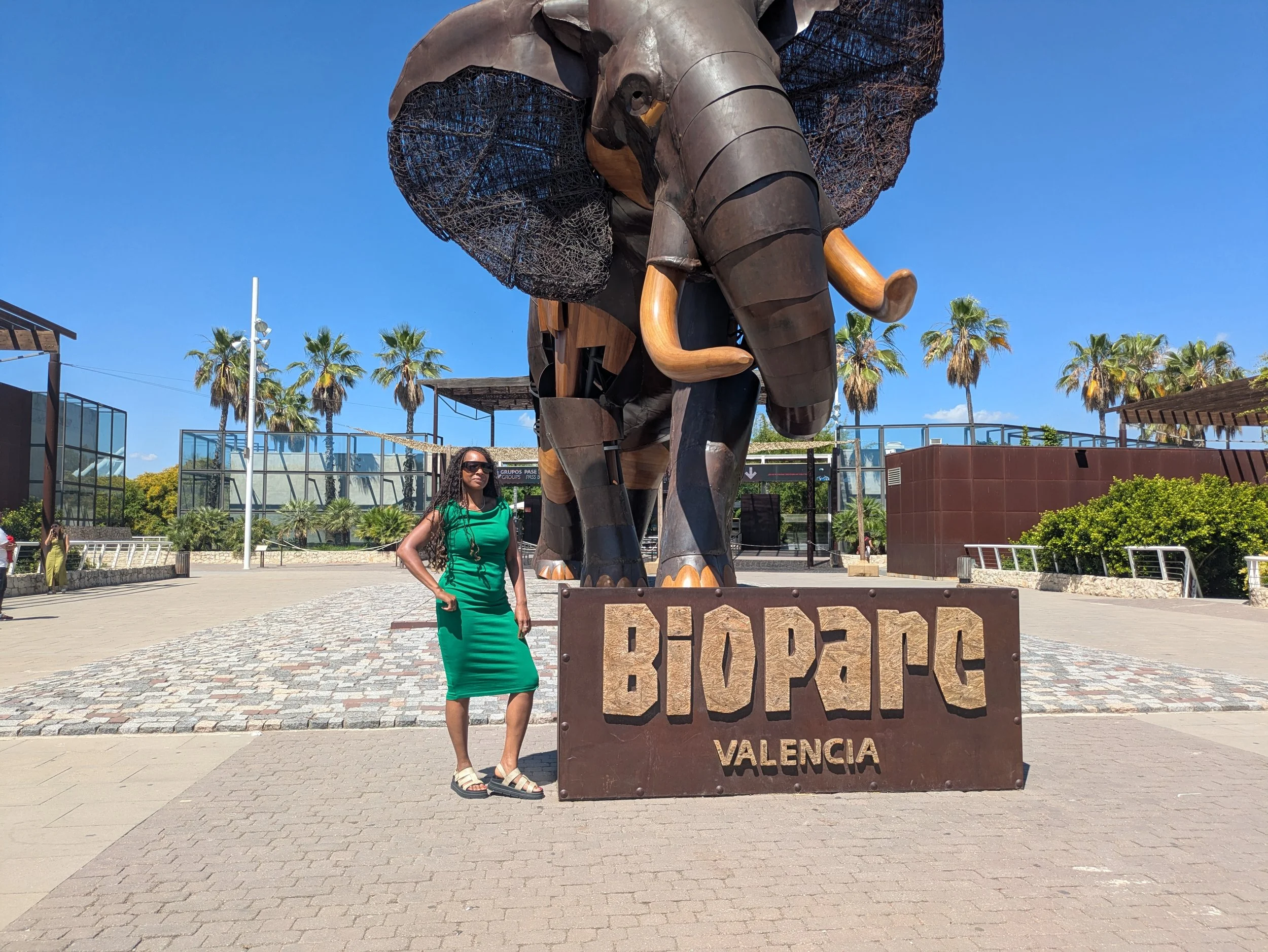
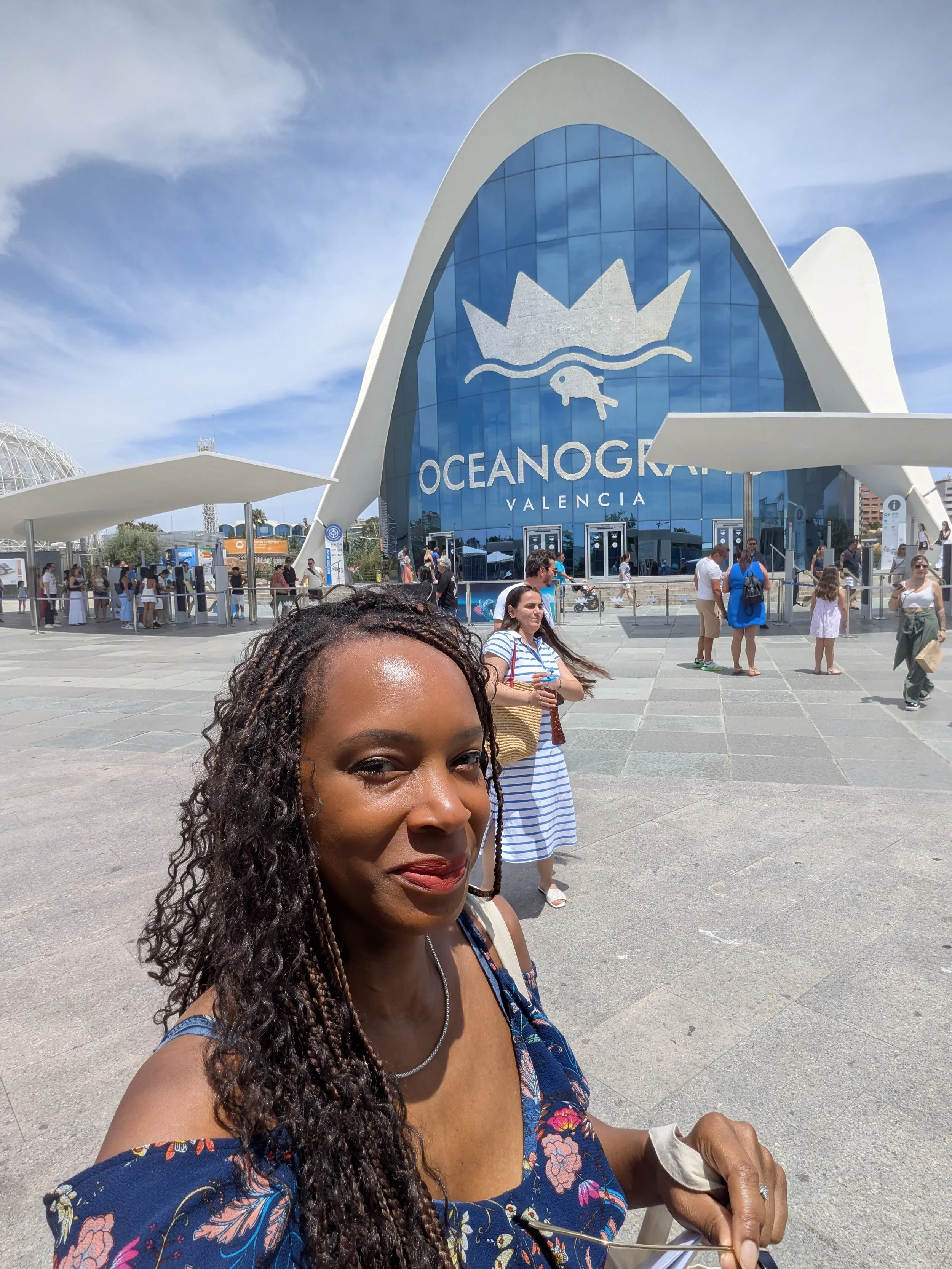
The Oceanogràfic, Europe's largest aquarium, and BIOPARC Valencia, a highly regarded zoo designed on the concept of zoo-immersion (where barriers between visitors and animals are eliminated in favour of natural landscape), are both strong choices for clients with accessibility needs.
Both attractions offer step-free access throughout, and the design of BIOPARC in particular, with wide, flat pathways through naturalistic environments, means that the experience of the attraction is the same regardless of mobility level. That parity of experience is what accessible tourism should look like.
La Albufera and the Accessible Boat Tour
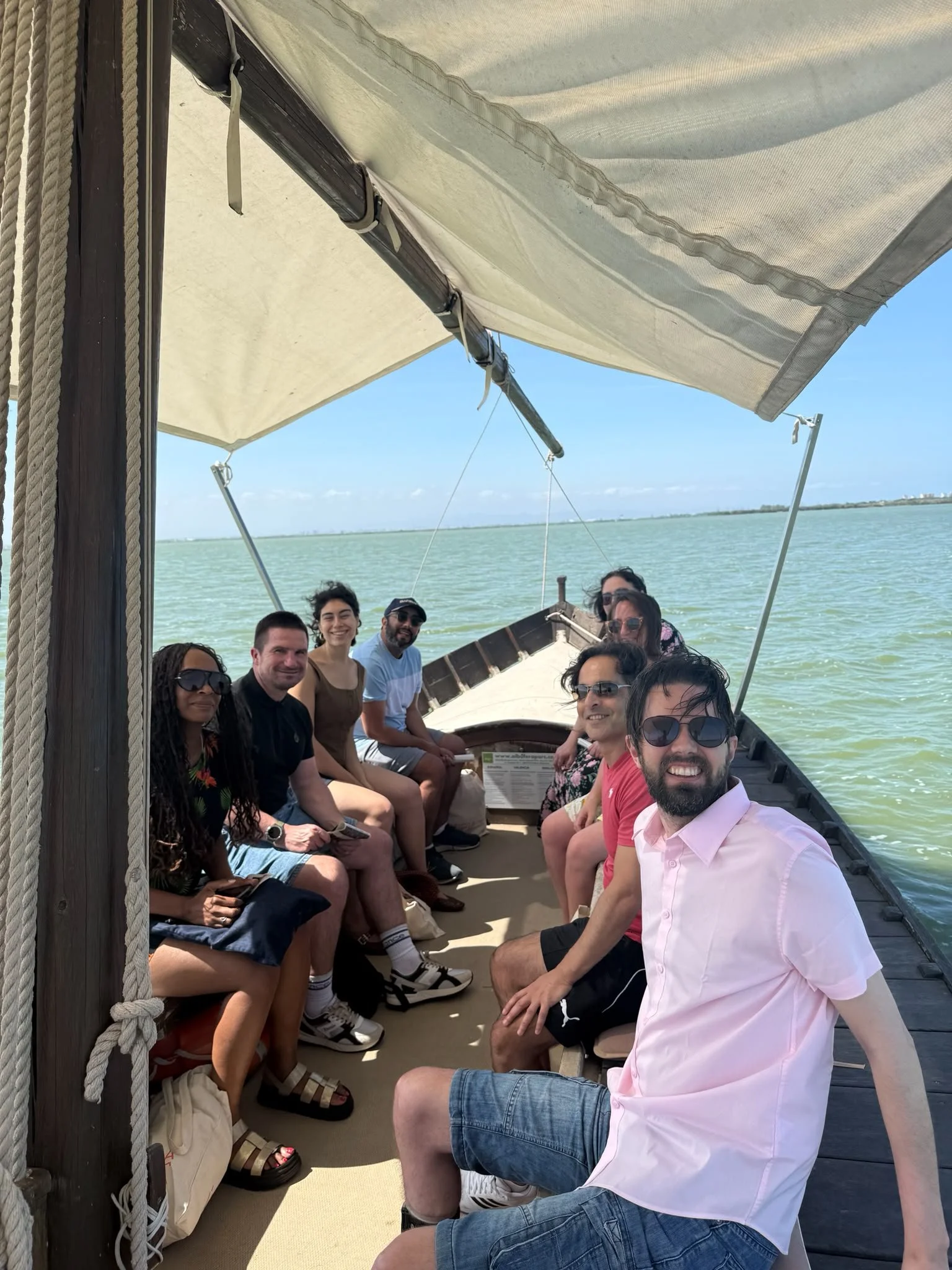
One of the highlights of the itinerary was an adapted boat tour around La Albufera, Valencia's stunning natural lake. The boats are specifically configured for wheelchair users and those with limited mobility, and the experience, gliding through rice paddies and reed beds at dusk, is genuinely extraordinary. This is the kind of experience that challenges the assumption that 'accessible' means limiting. It is the opposite.
Practical tip for agents: La Albufera and the surrounding El Palmar area offer an excellent extension to a Valencia city break. Lunch at Nou Raco restaurant in El Palmar, with accessible facilities and one of the best paellas I have eaten, rounds the excursion perfectly.
The City Centre, Cathedral, and Beach
Valencia's historic centre requires some navigation (as does any medieval city), but significant investment has been made in smoothing the experience for visitors who need it. The area around Torres de Serrano and the Cathedral is largely accessible, and guided tours are available with accessibility-trained guides.
The accessible beach provision in Valencia is genuinely impressive. Amphibious wheelchairs are available for rent at several beaches, accessible changing facilities are clearly signposted, and the flat promenade that runs the length of the beachfront means the beach is genuinely usable, not just theoretically accessible.
Restaurants and shops in Valencia are increasingly accessible, with step-free entry at many of the city's best-known dining venues. The Habitual Restaurant, where our group dined on the first evening, and the Vlue Arribar restaurant at the Marina Zone are both accessible and worth recommending in their own right.
What Other Destinations Can Learn
Valencia and Spain For All offer a useful benchmark for any destination, hotel, or attraction looking to raise the bar on accessibility. The lessons are not complicated, but they do require commitment:
PRACTICAL TAKEAWAYS FOR DESTINATIONS, HOTELS AND ATTRACTIONS
Standardise your accessibility information. The Spain is Accessible Seal works because it applies consistent criteria. Bespoke, unverified claims do not give agents or travellers the confidence they need.
Design for parity of experience. The question is not 'can a wheelchair user get in?' but 'can a wheelchair user have the same experience as any other visitor?' These are very different standards.
Train your people. Accessible infrastructure matters, but so does the confidence and attitude of staff. Both are visible within minutes of arrival.
Make the information findable before booking. Accessibility information buried on a sub-page or available only on request is a barrier in itself.
Involve people with lived experience in your planning. The Spain For All Advisory Board is not a token gesture; it is the quality assurance mechanism for the entire campaign.
For Agents: Why Valencia Deserves Your Attention Now
If you have clients who have told you that travel is difficult because of a disability, a health condition, older age, or any other factor that affects how they move through the world, Valencia is a destination worth having in your toolkit.
It is a beautiful, warm, culturally rich city with world-class food, excellent value compared to Madrid and Barcelona, and a growing portfolio of accessible experiences across culture, nature, and leisure. Add the reliability of Ilunion Hotels as an accommodation anchor, and you have a package that is relatively straightforward to build with confidence.
The Spain For All campaign is also helping stakeholder to produce destination information that agents can use. Engage with the Spanish Tourist Office, and start having conversations with clients who may have assumed Spain (or travel more broadly) was not an option.
It is. And Valencia is an excellent place to start.
About the Inclusive Travel Forum
The Inclusive Travel Forum is the industry platform for inclusive travel insight, best practice, and recommendations. Our focus spans accessibility, racial inclusion, religion, age, gender, and intersectionality, because inclusion in travel is not a single issue.
If you are a travel agent looking for inclusive destination and hotel recommendations, or a destination or operator looking to raise your inclusive practice, the ITF is where you start. This article is the first in an ongoing content series reviewing inclusive destinations, hotels, and operators from across the globe.